For years, driving an electric vehicle in California came with a meaningful everyday perk: solo access to the HOV lane.
With a Clean Air Vehicle decal, EV drivers could bypass traffic, avoid gridlock, and shorten their commute. For many, that time savings was one of the most practical advantages of going electric.
That benefit is now gone.
California’s Clean Air Vehicle decal program officially ended on September 30, 2025. Electric vehicles that once qualified for solo HOV access returned to standard carpool rules requiring multiple occupants.
For commuters, it wasn’t just a policy change. It meant more time in traffic.
But not every vehicle lost access.
Why Aptera Is Different
HOV lane eligibility is not determined solely by whether a vehicle is electric.
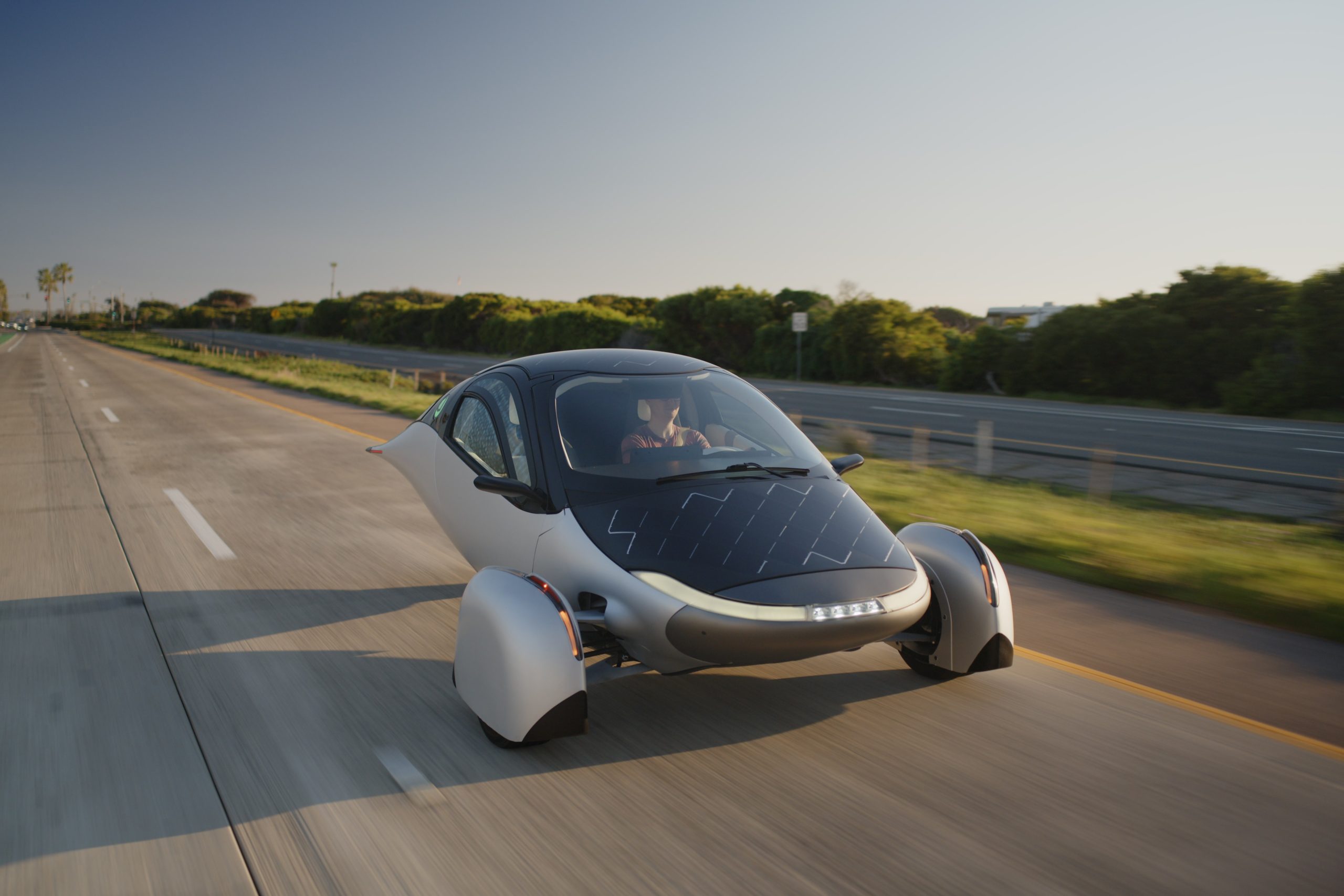
In California, three-wheeled vehicles are regulated differently from traditional four-wheeled passenger cars. Because of that distinction, they qualify for HOV lane use under the same rules that apply to motorcycles and autocycles.
Aptera is designed as a three-wheeled vehicle. In regions where three-wheeled vehicles are permitted to use HOV lanes, Aptera qualifies for that same access.
This is not a temporary incentive. It is not a sticker program with an expiration date. It comes from how the vehicle fits into existing traffic laws.
A New Reality for California EV Commuters
On stretches of freeway like the 405 during peak hours, general traffic can slow to single digits while the HOV lane continues moving at highway speed.
On a 15-mile commute, that difference can mean 30 extra minutes each way. Over time, that adds up to five hours a week, twenty hours a month, and nearly a full workweek every year spent sitting in traffic.
When HOV access disappears, those hours don’t just vanish. They get added back into your day.
For drivers dealing with daily traffic, those extra minutes matter.
Where Aptera Fits In
Because Aptera is a three-wheel vehicle, it continues to qualify for HOV lane use in California even as conventional EVs return to standard carpool rules.
That makes Aptera uniquely positioned for daily commuting in a state where traffic is part of life.
Instead of relying on incentive programs that expire, Aptera’s HOV eligibility comes from how it is categorized under the law itself.
For commuters thinking beyond fuel savings and into everyday usability, that distinction matters.
The Bottom Line
As EV sticker programs phase out across the country, vehicle design and classification now play a larger role in who gets access to the faster lane.
Efficiency isn’t only measured in miles per charge. It’s measured in minutes saved, stress avoided, and time returned to your day.
HOV lane rules vary by state and region, so drivers should always confirm local regulations. But for California commuters looking for an ultra-efficient vehicle that also offers a practical daily advantage, Aptera is worth a closer look.
Learn more about how Aptera combines exceptional efficiency with real-world usability at aptera.us.